← Back to Blog
Market Trends
Mason, Ohio Real Estate Market Guide: Prices, Neighborhoods and Timing
By Javaria Usmani, YOOO
Plum Tree Realty
September 1, 2026 · 11 min read
This Mason, Ohio real estate market guide covers what you actually need to know before buying, selling, or relocating here in September 2026: where prices stand, what different parts of Mason look like on the ground, and how to time your move to get the most out of current conditions.
1. Where Mason Home Prices Stand Right Now
Mason home prices remain elevated relative to the broader Cincinnati metro, though the pace of appreciation has moderated. As of September 2026, the median sale price for a single-family home in Mason sits in the low-to-mid $400,000s, with price per square foot running roughly $175 to $210 depending on the subdivision, lot size, and finishes. That puts Mason noticeably above the Warren County median and well above the statewide figure.
Median Price and Price Per Square Foot
Entry-level detached homes in Mason, typically smaller ranches or older two-stories in the city's western neighborhoods, start around $310,000 to $340,000. Mid-range homes, the four-bedroom colonials and newer builds that make up the bulk of Mason's inventory, cluster between $400,000 and $550,000. The upper tier, covering larger homes in Deerfield Township with finished basements, three-car garages, and premium lots, regularly reaches $650,000 to $800,000 and above.
For a detailed look at how these figures have shifted month to month, Zillow's Mason, OH housing market page tracks median sale prices and list-to-sale ratios in near real time and is worth bookmarking if you are actively watching the market.
How Mason Compares to the Broader Ohio Market
Ohio as a whole has continued to see year-over-year price growth in 2026, though the frenzied pace of earlier years has cooled. Statewide, home prices are up roughly 5% compared to September 2025, with inventory rising and price reductions becoming more common across many Ohio metros. Mason has followed a similar arc: prices are still up from a year ago, but sellers can no longer count on a bidding war simply by listing. The market has become more transactional and less emotional, which is actually useful information for both sides of a deal.
Price Trends Over the Past Year
Comparing September 2026 to September 2025, Mason's median sale price is up approximately 4% to 6%, depending on the segment. Condos and townhomes have appreciated slightly faster than detached single-family homes in percentage terms, partly because their lower absolute prices attract more buyers competing for fewer units. Luxury properties above $700,000 have seen the softest appreciation, with some sellers making modest price reductions after sitting on the market for 30 or more days.
2. A Neighborhood-by-Neighborhood Look at Mason's Housing Stock
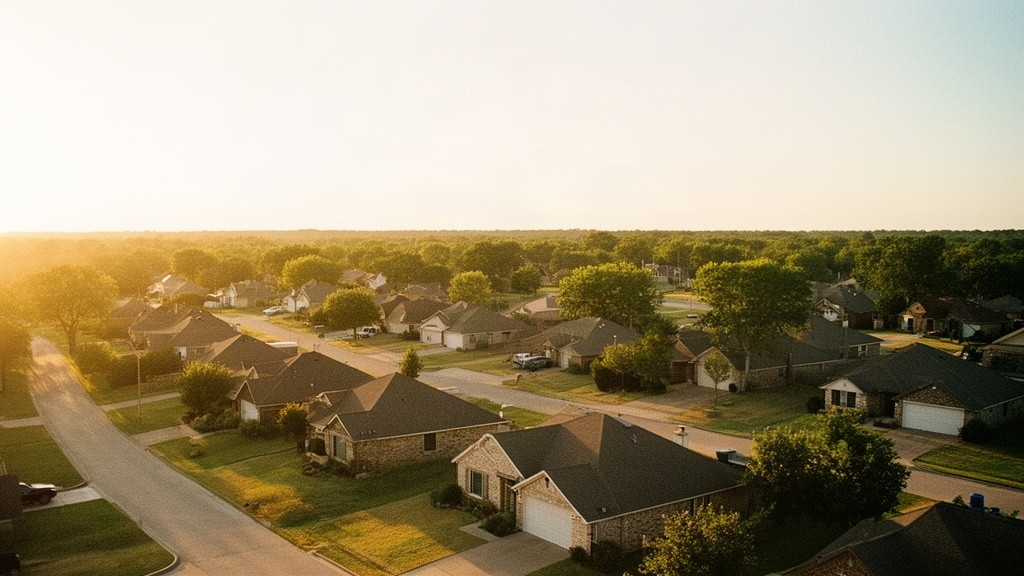
Mason's residential geography is more varied than it might appear from a single zip code. The city spans roughly 20 square miles and includes everything from tight-knit older streets near the historic downtown core to sprawling newer subdivisions on the eastern and southern edges. Understanding what each part of Mason looks like on the ground helps buyers set realistic expectations and helps sellers price accurately.
Western Row and the Historic Core
The streets closest to Mason's original downtown, centered around Western Row Road and the area around Mason Community Center, contain the city's oldest housing stock. You will find cape cods, brick ranches, and split-levels built between the 1950s and 1980s on lots that tend to run a quarter acre or smaller. These homes typically sell in the $290,000 to $380,000 range and often attract buyers who want walkable proximity to Mason's parks, the library on Reading Road, and the downtown retail corridor along Main Street.
Many of these properties have been updated over the decades, so finishes vary widely. A buyer willing to do some updating can often find more square footage per dollar here than in newer subdivisions. Sellers in this corridor benefit from the scarcity of older homes in a market that is otherwise dominated by newer construction.
Deerfield Township and the Eastern Corridors
East of Mason's city center, the landscape shifts toward larger planned subdivisions built primarily between the late 1990s and 2015. Deerfield Township sits adjacent to Mason and shares the Mason City School District boundary for many of its neighborhoods. Homes here tend to be four and five bedroom colonials and transitionals on lots ranging from a third of an acre to just under an acre. Prices in this corridor typically run $450,000 to $700,000 for single-family detached homes.
If you are researching Deerfield Township specifically, this detailed Deerfield Township buyer's guide breaks down subdivisions, lot characteristics, and what to expect during the buying process in that part of the Mason market.
Condos, Townhomes and Attached Housing
Mason has a meaningful inventory of attached housing, concentrated near the Fields Ertel Road corridor and along the Kings Island Drive area. Condo and townhome prices currently range from roughly $220,000 for a one-bedroom unit to $380,000 for a larger two-story townhome with a garage. HOA fees vary by community and typically cover exterior maintenance, landscaping, and sometimes water. These units move quickly when priced correctly, often going under contract within two weeks of listing.
For a full breakdown of what condo ownership looks like in Mason, including HOA considerations and financing quirks specific to attached housing, this Mason condo life guide covers the topic in depth.
New Construction Pockets
Buildable land inside Mason's city limits is increasingly scarce, but several active new construction communities remain, particularly along the southern edge near the Kings Mills Road corridor and in pockets off Snyder Road. New builds in Mason currently start around $520,000 and can reach $900,000 or more for larger custom configurations. Lead times from contract to close on new construction run six to twelve months depending on the builder and how much of the lot premium and structural options you select. Buyers should have a buyer's agent represent them even when purchasing directly from a builder, since the on-site sales agent works for the builder, not for you.
3. What the Current Market Means for Buyers
Buyers in Mason in September 2026 have more leverage than they did 18 months ago, but this is still not a buyer's market in the traditional sense. Well-priced homes in move-in condition continue to attract multiple offers. The shift is that overpriced homes now sit, and sellers are more willing to negotiate on price, closing costs, and inspection repairs than they were during the peak frenzy.
Inventory Levels and Days on Market
Active inventory in Mason has risen compared to September 2025, with roughly two to three months of supply available across most price bands as of this month. The median days on market for homes that sell is currently around 18 to 25 days, up from the 7 to 10 day averages seen in 2023 and early 2024. Homes priced above $600,000 are taking longer, sometimes 45 to 60 days, before going under contract. Below $400,000, well-maintained homes still move in under two weeks.
Mortgage Rate Reality in September 2026
Thirty-year fixed mortgage rates have moderated in 2026 compared to their 2023 highs, but they remain above the historically low levels of 2020 and 2021. On a $425,000 home with 10% down and a rate in the mid-6% range, a buyer's principal and interest payment runs approximately $2,500 to $2,600 per month before taxes and insurance. Buyers who can bring 20% down benefit from eliminating private mortgage insurance, which on a Mason-priced home typically adds $100 to $175 per month. Getting pre-approved before you tour homes is non-negotiable in this market; sellers will not take an offer seriously without it.
How to Position an Offer in Mason Today
In the current Mason market, offer strategy depends heavily on the specific home and how it is priced relative to recent comparable sales. On a correctly priced home in a desirable subdivision, expect to offer at or near list price with clean terms. On a home that has been sitting for 30-plus days, there is room to negotiate, and sellers are more receptive to asking for closing cost credits or a home warranty. Escalation clauses are less common than they were two years ago but still appear on the most competitive listings.
4. What the Current Market Means for Sellers
Mason remains a sellers' market by most technical definitions, but the margin for pricing error has shrunk considerably. Homes that launched at aspirational prices in 2023 and still sold above ask are a different story from today's market. Buyers are doing their homework, and overpriced listings are generating fewer showings and sitting longer, which creates a perception problem that compounds over time.
Pricing Strategy in a More Balanced Market
The most effective pricing strategy in Mason right now is to come in at market value or very slightly below it to generate early showing traffic and, ideally, competing offers in the first weekend. A home priced 3% to 5% above comparable sales will typically sit for three to four weeks before the seller reduces the price, and by that point, the most motivated buyers have already moved on. Pricing correctly from day one consistently nets sellers more money than chasing the market down with reductions.
For a broader look at how Ohio's seller market is evolving statewide, HousingWire's analysis of Ohio's shifting market conditions provides useful context on why precision pricing matters more now than it did in 2022.
Preparation Steps That Move the Needle
In Mason's current market, presentation matters more than it did when buyers were waiving inspections and skipping walkthroughs. Sellers who invest in professional photography, fresh paint in neutral tones, cleaned-up landscaping, and a pre-listing inspection tend to see faster offers and fewer surprises during the buyer's inspection period. Decluttering and depersonalizing the interior is free and consistently makes a measurable difference in how quickly a home goes under contract.
5. Timing: When to Buy or Sell in Mason, Ohio
Timing in Mason's real estate market follows Ohio's broader seasonal rhythm, but with some local nuances worth understanding. Knowing when competition peaks and when it softens can help both buyers and sellers make smarter decisions about when to act.
Seasonal Patterns in Mason's Market
Spring, specifically March through June, is when Mason sees its highest listing volume and its most competitive buyer activity. Families aiming to move before the next school year drive a surge in showings and offers during this window. Summer stays active through July, then slows noticeably in August as the back-to-school calendar takes over. Fall, from September through November, brings a second, smaller wave of activity from buyers who missed the spring market. December and January are the slowest months for new listings, though serious buyers who search during this window often face less competition.
The Strategic Case for Acting Before Spring
For buyers, the window between October and February offers a real tactical advantage: fewer competing buyers, sellers who have been on the market longer and are more motivated, and more room to negotiate. The tradeoff is a thinner selection of available homes. For sellers, listing in late February or early March, before the full spring wave hits, positions your home to capture early-season buyers who have been searching all winter and are ready to act quickly. Listing in April or May means competing with every other seller who had the same idea.
For more detail on how 2026's specific conditions are shaping timing decisions in Mason, the Mason Ohio Housing Market Trends 2026 article on this site covers month-by-month data and what it signals for the rest of the year.
6. Commutes, Amenities and What Mason's Location Actually Offers
Location drives a significant share of Mason's price premium, and understanding what that location delivers helps buyers evaluate whether the premium is worth it for their specific situation. Mason sits at the intersection of I-71 and SR-741 in northeastern Warren County, which gives it unusually good highway access for a suburban city of its size.
Getting to Cincinnati and Beyond
The drive from Mason to downtown Cincinnati via I-71 runs approximately 25 to 30 miles and takes 30 to 40 minutes under normal traffic conditions, though the I-71 corridor between Mason and the I-275 interchange can back up significantly during morning and evening peak hours. Dayton is roughly 35 miles north on I-75 from the Mason area, typically a 40-minute drive. The Cincinnati-Northern Kentucky International Airport is about 40 miles from Mason, a 45 to 55 minute drive depending on traffic and the specific departure point. For buyers who travel frequently for work, this commute to the airport is worth factoring into the overall location calculation.
Local Anchors That Shape Demand
Several large employers and destinations within or immediately adjacent to Mason contribute to sustained housing demand. The Mason campus of Cincinnati Children's Hospital, located on Mason-Montgomery Road, is one of the largest employers in the city. The Procter and Gamble facility and other corporate offices along the SR-741 and Fields Ertel corridors draw a professional workforce that tends to purchase rather than rent. Kings Island, the regional amusement park on Kings Island Drive, is a major seasonal employer and a consistent draw for visitors, which supports the local retail and restaurant economy.
Mason has more than 1,500 acres of parkland, including Corwin M. Nixon Park on Western Row Road and the trails along the Little Miami River corridor to the east. The Mason Community Center on Reading Road includes an indoor aquatic center, fitness facilities, and multi-use courts. The downtown area along Main Street has a walkable concentration of local restaurants, coffee shops, and specialty retail that has expanded noticeably over the past several years.
If you are still in the research phase and weighing Mason against other nearby options, the Moving to Mason, Ohio relocation guide on this site covers utilities, cost of living context, and what the day-to-day experience of living here actually looks like.
FAQ
What is the median home price in Mason, Ohio right now?
As of September 2026, the median sale price for a single-family home in Mason, Ohio is in the low-to-mid $400,000s. Entry-level detached homes start around $310,000 to $340,000, while larger four and five-bedroom colonials in newer subdivisions typically sell between $400,000 and $550,000. Luxury homes in Deerfield Township and premium subdivisions regularly reach $650,000 to $800,000 and above. Condos and townhomes offer a lower entry point, generally ranging from $220,000 to $380,000 depending on size and community. These figures reflect current closed sale data and can shift month to month as inventory and demand change.
Is it a good time to sell a home in Mason, Ohio?
Mason remains a sellers' market by most standard measures in September 2026, meaning demand still outpaces available supply in most price ranges. However, the market has normalized compared to the peak years, and homes that are priced above comparable recent sales are sitting longer and requiring price reductions. Sellers who price accurately from day one, prepare their home well, and work with an agent who knows current local comparable sales are still achieving strong results. The spring window, roughly February through June, tends to produce the most buyer competition, but well-prepared homes sell in every season. The key shift from earlier years is that overpricing now has a real cost in both time and final net proceeds.
How long does it take to buy a home in Mason, Ohio from start to finish?
From the time you begin actively touring homes to the day you close, most Mason home purchases take between 45 and 90 days, assuming you are pre-approved before you start. The search phase varies widely: some buyers find the right home in two weeks, others take two to three months depending on inventory and how specific their criteria are. Once you are under contract, the standard purchase timeline in Ohio runs 30 to 45 days to close, covering the inspection period, appraisal, and mortgage underwriting. New construction is a separate category entirely, with timelines of six to twelve months from contract signing to close. Getting pre-approved before you tour homes is the single most important step you can take to compress the overall timeline.